
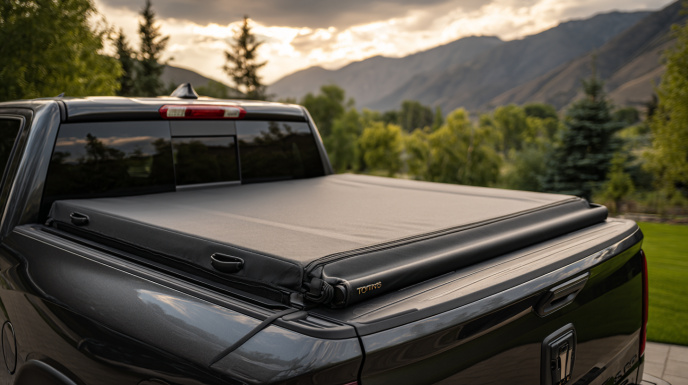
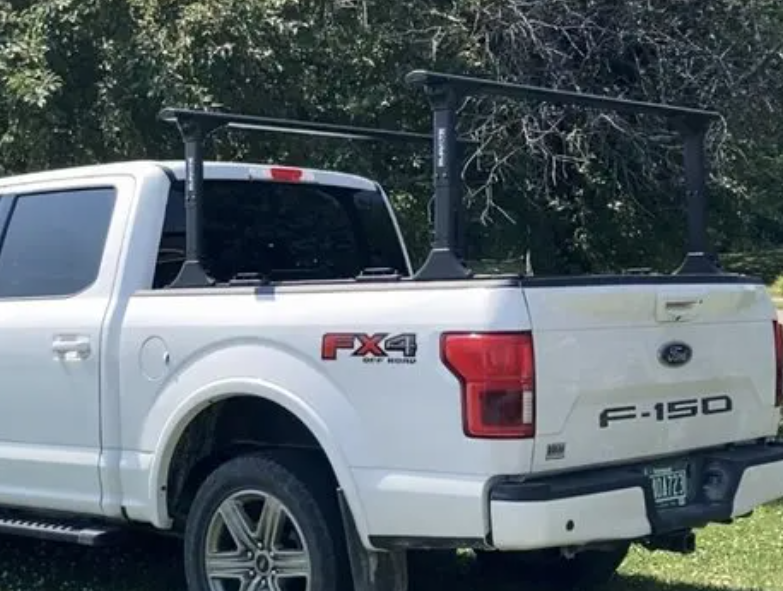
Ford F150 TruXedo Elevate Adjustable Aluminum Truck Rack (For Existing Tonneau Covers)
- The Elevate height adjustable truck rack system is one of the most innovative and sought-after rack systems on the market, hands down! One of the most common setups truck owners are requesting is the truck rack, tonneau cover combination.
Maximizing Your Pickup’s Potential: How to Combine Security, Style, and Functionality in One Smart Setup
Picture this: you’re standing beside your Ford F150 in the early morning light, watching as fellow adventurers struggle to tie down their gear with bungee cords and hope for the best. Meanwhile, your truck sits ready with a sleek tonneau cover protecting your valuable cargo from prying eyes and the elements, while a robust bed rack system overhead carries your kayaks, lumber, or camping gear with military precision. This isn’t just about looking good – though your F150 will certainly turn heads – it’s about transforming your truck into a versatile workhorse that adapts to every adventure life throws your way.
The marriage of a Ford F150 bed rack with tonneau cover represents one of the most significant upgrades you can make to your pickup truck. It’s a combination that speaks to the heart of what makes the F150 America’s best-selling truck for over four decades: the ability to work hard while looking effortlessly capable. But navigating the world of compatible systems, installation complexities, and performance expectations can feel like trying to solve a mechanical puzzle while blindfolded.
Whether you’re a weekend warrior hauling mountain bikes to remote trails, a contractor who needs secure storage for tools while carrying oversized materials, or simply someone who appreciates the refined functionality that comes with thoughtful truck accessories, understanding how to properly combine these two essential systems will revolutionize how you use your F150.
Understanding the Perfect Partnership: Why Bed Racks and Tonneau Covers Belong Together
The question isn’t whether you can use a bed rack with a tonneau cover on your Ford F150 – it’s about finding the right combination that elevates both systems to work in perfect harmony. Think of it like a well-choreographed dance where each component enhances the other’s performance rather than competing for space or functionality.
Modern truck owners have moved far beyond the days of choosing between security and carrying capacity. Today’s innovative designs allow you to maintain the weather protection and theft deterrence of a quality tonneau cover while adding the vertical storage capabilities that make a bed rack system invaluable. The key lies in understanding that not all combinations are created equal, and the difference between a mediocre setup and an exceptional one often comes down to research, compatibility, and attention to detail during installation.
When properly matched, a Ford F150 bed rack with tonneau cover creates what industry experts call a “multiplier effect” – where the combined functionality exceeds what either component could achieve independently. Your tonneau cover continues to protect tools, groceries, and sensitive equipment from weather and theft, while the bed rack extends your truck’s carrying capacity vertically, allowing you to transport everything from lumber and ladders to recreational equipment that would otherwise require a trailer.
Navigating the Compatibility Maze: What Works and What Doesn’t
The world of tonneau covers compatible with bed racks for the Ford F150 is both exciting and potentially overwhelming. Understanding the fundamental differences between cover types and their rack compatibility will save you from costly mistakes and ensure your investment delivers the performance you expect.
Hard tonneau covers, particularly retractable and folding varieties, often provide the most straightforward compatibility with bed rack systems. These covers typically feature robust construction and mounting points that can accommodate the additional hardware required for rack integration. Retractable covers, such as those from RetraxPRO or BAKFlip models, often come with specific rack mounting solutions designed to work seamlessly with their mechanisms.
Soft tonneau covers present a more complex compatibility picture. While some roll-up and snap-on soft covers can work with certain bed rack systems, the installation often requires more creativity and potentially custom mounting solutions. The flexibility that makes soft covers appealing for quick access can sometimes work against them when trying to integrate with rigid rack structures.
Retractable tonneau covers represent perhaps the most elegant solution for Ford F150 owners seeking maximum versatility. These systems often feature dedicated rack mounting points that integrate directly with the cover’s rail system, creating a clean, factory-like appearance while maintaining full functionality of both components. The ability to partially retract the cover while keeping the bed rack system fully operational makes this combination particularly appealing for users who frequently alternate between different hauling needs.
The mounting methodology varies significantly between manufacturers, with some systems utilizing the tonneau cover’s existing rail structure while others require additional mounting points. Understanding these differences before purchase prevents compatibility issues and ensures optimal performance from both systems.
Investment Considerations: Understanding the True Cost of Quality
When exploring how much a bed rack with a tonneau cover costs for a Ford F150, it’s essential to think beyond the initial purchase price and consider the total value proposition. Quality systems represent a significant investment, typically ranging from $800 for basic compatible combinations to over $3000 for premium integrated solutions that include features like LED lighting, locking mechanisms, and aerospace-grade materials.
The price spectrum reflects not just material quality and manufacturing precision, but also the engineering investment required to create truly compatible systems. Entry-level combinations might require compromises in functionality or aesthetics, while premium solutions often deliver seamless integration that appears factory-installed.
Budget-conscious buyers should focus on systems that offer the best long-term value rather than the lowest initial cost. A moderately priced system from a reputable manufacturer with proven compatibility often outperforms expensive options that haven’t been properly engineered for integration. Consider factors like warranty coverage, customer support quality, and the availability of replacement parts when evaluating overall value.
Professional installation costs can add $200 to $500 to your total investment, but this expense often proves worthwhile for complex systems or when dealing with integrated solutions that require precise alignment and calibration. Many installers offer package deals when installing both components simultaneously, which can provide cost savings while ensuring optimal compatibility.
The Benefits Revolution: How Integration Transforms Your Truck Experience
The advantages of using a bed rack with a tonneau cover on a Ford F150 extend far beyond simple cargo carrying capacity. This combination creates a versatile platform that adapts to changing needs while maintaining the security and weather protection that modern truck owners demand.
Security benefits multiply when both systems work together effectively. The tonneau cover conceals valuable items stored in the bed, while the bed rack elevates other equipment above the sight line of potential thieves. This dual-layer security approach is particularly valuable for contractors and outdoor enthusiasts who regularly transport expensive equipment.
Weather protection becomes comprehensive with proper integration. Your tonneau cover shields bed cargo from rain, snow, and UV damage, while properly designed bed rack systems include features like integrated drainage channels that prevent water from pooling around mounting points. Some premium systems even include coordinated drainage that directs water away from both the cover mechanism and rack mounting hardware.
The organizational benefits cannot be overstated. With a Ford F150 bed rack with tonneau cover, you essentially gain two distinct storage zones with different characteristics. The enclosed bed area becomes ideal for tools, supplies, and items requiring weather protection, while the rack area handles bulky, weather-resistant items like lumber, pipes, or recreational equipment.
Fuel economy considerations often surprise new users. While adding any accessories creates some aerodynamic impact, well-designed integrated systems can actually improve highway efficiency compared to hauling cargo in the open bed. The tonneau cover reduces drag, while the bed rack eliminates the need for less efficient alternatives like roof-mounted cargo boxes or trailers for many hauling tasks.
Flexibility and Adjustability: Modern Solutions for Changing Needs
Adjustable bed racks that fit with tonneau covers on the Ford F150 represent the cutting edge of truck accessory engineering. These systems recognize that truck owners’ needs change with seasons, projects, and life circumstances, providing adaptability that static systems simply cannot match.
Height adjustability allows users to optimize their setup for different cargo types while maintaining tonneau cover functionality. Lower settings minimize wind resistance and maintain a sleek profile for daily driving, while extended heights accommodate larger items when needed. Some systems offer tool-free adjustment that can be completed in minutes, making it practical to modify your setup for specific hauling tasks.
Width adjustability addresses the reality that not all cargo fits neatly within standard rack dimensions. Expandable cross-bar systems can accommodate everything from narrow lumber loads to wide recreational equipment while maintaining secure mounting to the tonneau cover rail system.
Modular component systems take flexibility even further, allowing users to add, remove, or reconfigure rack elements based on specific needs. These systems often feature standardized mounting interfaces that accept a wide variety of accessories, from bike mounts and cargo baskets to specialized brackets for construction equipment or recreational gear.
Installation Mastery: Achieving Professional Results
Installing a bed rack with a tonneau cover on your Ford F150 requires careful planning, the right tools, and attention to detail that can mean the difference between a professional-quality result and a frustrating experience with compromised functionality.
The installation sequence matters significantly when dealing with integrated systems. Generally, the tonneau cover should be installed first, with its rails properly aligned and tensioned before adding bed rack components. This approach ensures that the cover mechanism operates smoothly and that rack mounting points align correctly with the cover’s structure.
Tool requirements vary by system but typically include basic hand tools, torque wrenches for critical fasteners, and sometimes specialized tools provided by the manufacturer. Professional-grade installations often benefit from having an assistant, particularly when aligning components that must work together precisely.
Installing without drilling has become increasingly popular as manufacturers develop clamp-on and rail-integrated mounting systems. These no-drill solutions appeal to lease customers and those who prefer reversible modifications, though they may have weight limitations compared to through-bolted systems.
Weather considerations during installation can significantly impact results. Installing tonneau covers in extreme temperatures can affect material flexibility and adjustment ranges, while high winds can make handling large components challenging and potentially dangerous.
Maintaining Functionality: Keeping Both Systems Working Together
One of the most common concerns among potential buyers is whether you can still use the tonneau cover when a bed rack is installed on your Ford F150. The answer depends entirely on the compatibility and design quality of your chosen systems.
Well-engineered combinations maintain full tonneau cover functionality while adding bed rack capabilities. This means you should be able to open, close, lock, and secure your tonneau cover exactly as you could before adding the rack system. Any compromise in cover operation typically indicates compatibility issues or installation problems that need addressing.
Maintenance requirements change slightly when running combined systems. Both the tonneau cover mechanism and bed rack mounting points require regular inspection and lubrication according to manufacturer specifications. The interaction points between systems – typically where rack mounting hardware meets cover rails – need particular attention to prevent wear and ensure continued smooth operation.
Seasonal considerations become more important with integrated systems. Winter conditions can cause components to contract and expand at different rates, potentially affecting alignment and operation. Regular adjustment and inspection during temperature extremes help maintain optimal performance throughout the year.
Weight Capacity and Load Management: Understanding Your Limits
How much weight a bed rack with tonneau cover can support on a Ford F150 depends on multiple factors including the rack system design, mounting methodology, tonneau cover construction, and the truck’s own specifications. Understanding these limitations prevents damage and ensures safe operation.
Static weight ratings – the maximum load the system can support when the vehicle is parked – typically range from 200 to 800 pounds depending on the system quality and mounting approach. Dynamic weight ratings, which apply when the vehicle is in motion, are always lower due to the additional stresses created by acceleration, braking, and cornering forces.
The tonneau cover’s role in weight distribution cannot be ignored. Quality integrated systems are designed so that rack loads transfer directly to the truck’s frame or bed structure rather than stressing the cover mechanism. Systems that rely on the tonneau cover for structural support typically have much lower weight ratings and may experience premature wear.
Load distribution techniques become critical when approaching weight limits. Spreading weight across multiple mounting points and keeping heavy items low in the rack structure improves stability and reduces stress on both the rack and tonneau cover systems. Many users find that proper load distribution allows them to carry more total weight safely than poor distribution techniques with lighter loads.
Rooftop Tent Integration: Taking Adventure to the Next Level
The question of whether you can carry a rooftop tent on a bed rack installed with a tonneau cover on a Ford F150 opens up exciting possibilities for outdoor enthusiasts. This combination transforms your truck into a complete mobile basecamp while maintaining the security and weather protection that makes the F150 such a capable adventure vehicle.
Rooftop tent compatibility requires careful attention to weight ratings, as these accessories typically weigh 100-200 pounds before adding occupants and gear. The combined system must handle not only the static weight but also the dynamic loads created by people moving around in the tent and potential wind forces.
Mounting considerations for rooftop tents often require specialized hardware and potentially custom mounting solutions. The tent’s mounting feet must align with the bed rack’s cross-bar structure while maintaining adequate spacing for proper tent deployment. Some manufacturers offer tent-specific mounting kits designed to work with their integrated bed rack and tonneau cover systems.
The tonneau cover’s functionality becomes even more valuable with rooftop tent setups, as it provides secure storage for camping gear, clothing, and supplies that you don’t want to carry up into the tent. This ground-level storage access is particularly convenient for items you need frequently throughout your camping experience.
Brand Leadership and Quality Considerations
Identifying the best brands for bed racks compatible with tonneau covers for the Ford F150 requires understanding the different approaches manufacturers take to solving integration challenges. Industry leaders have invested heavily in engineering solutions that deliver both functionality and reliability.
Established tonneau cover manufacturers like BAKFlip, RetraxPRO, and TruXedo have developed rack integration solutions specifically for their products. These systems often provide the most seamless integration since they’re designed from the ground up to work together. The trade-off is typically limited flexibility in mixing and matching components from different manufacturers.
Universal rack systems from companies like Thule, Yakima, and Rhino-Rack offer broader compatibility and often superior build quality, but may require more complex mounting solutions or compromise some tonneau cover functionality. These systems excel when you prioritize rack performance and are willing to work around tonneau cover limitations.
Truck-specific manufacturers like DiamondBack, American Tonneau Company, and Undercover have developed integrated solutions that treat the bed rack and tonneau cover as a single system. These approaches often deliver the best overall performance but typically command premium pricing and may have limited upgrade or modification options.
Bed Liner Compatibility: Protecting Your Investment
Bed racks with tonneau covers being compatible with Ford F150 bed liners is an important consideration that affects both installation and long-term performance. Bed liners change the bed’s dimensions and surface characteristics, which can impact how both rack and cover systems mount and operate.
Spray-in bed liners typically create the fewest compatibility issues since they add minimal thickness and maintain the bed’s original contours. However, the installation process must account for the liner’s presence, and some mounting hardware may require longer fasteners to achieve proper engagement with the truck’s structure.
Drop-in bed liners present more complex challenges since they change the bed’s effective dimensions and may interfere with mounting points. Many integrated systems require modifications to accommodate drop-in liners, and some combinations simply aren’t compatible without custom solutions.
Bed mat systems offer good compatibility with most integrated setups since they’re thin and flexible. However, attention to edge details around mounting points prevents water infiltration and ensures that the mat doesn’t interfere with tonneau cover sealing.
Hard Tonneau Cover Integration: The Premium Solution
Choosing the best hard tonneau cover to use with a bed rack on a Ford F150 often comes down to balancing functionality, durability, and integration quality. Hard covers typically offer superior security and weather protection while providing robust mounting points for rack systems.
Retractable hard covers like the RetraxPRO MX and BAKFlip MX4 represent the pinnacle of integration engineering. These systems often include factory provisions for rack mounting that maintain the cover’s sleek appearance while adding substantial functionality. The aluminum construction provides excellent durability and weather resistance while keeping weight manageable.
Folding hard covers offer different advantages, particularly in terms of partial access capability. Systems like the BAKFlip G2 and Undercover Ultra Flex allow you to fold back sections of the cover while maintaining rack functionality, providing flexibility for mixed loading scenarios.
Hinged hard covers, while less common in integrated applications, can work well with certain rack systems. These covers often provide the most secure storage but may limit rack access when the cover is closed. Custom mounting solutions can sometimes overcome these limitations.
Low-Profile Solutions: Maintaining Aesthetics
Low-profile bed racks that work with tonneau covers on the Ford F150 address the needs of users who want functionality without dramatically altering their truck’s appearance. These systems prioritize sleek integration over maximum carrying capacity, appealing to users who value aesthetics alongside utility.
Aerodynamic considerations become particularly important with low-profile systems. The reduced height minimizes wind resistance and noise while maintaining adequate clearance for typical cargo. Some systems feature aerodynamic cross-bar designs that actually improve airflow over the truck bed.
The visual integration of low-profile systems often surpasses their bulkier counterparts. By working closely with the tonneau cover’s design lines, these racks can appear almost factory-installed while providing meaningful functionality. Color-matching options and coordinated hardware finishes enhance this integrated appearance.
Capacity trade-offs are inevitable with low-profile designs, but modern engineering maximizes functionality within height constraints. Smart design features like multi-position mounting points and modular accessories help these systems punch above their weight class in terms of versatility.
Universal vs. Truck-Specific: Making the Right Choice
The decision between universal bed racks that fit the Ford F150 with tonneau covers and truck-specific solutions involves balancing cost, performance, and integration quality. Each approach offers distinct advantages depending on your priorities and intended use.
Universal systems typically offer superior component quality and broader accessory ecosystems. Manufacturers like Thule and Yakima leverage their experience across multiple vehicle platforms to deliver refined, well-tested products. However, achieving optimal integration with Ford F150-specific tonneau covers may require additional hardware or compromise some functionality.
Truck-specific solutions are engineered to maximize the F150’s unique characteristics and integrate seamlessly with popular tonneau cover options. These systems often provide better weight distribution, cleaner aesthetics, and easier installation. The trade-off is typically higher cost and more limited upgrade options.
Hybrid approaches are becoming increasingly popular, where universal rack components mount to truck-specific base systems. This strategy combines the component quality and accessory availability of universal systems with the integration benefits of truck-specific engineering.
No-Drill Installation: Preserving Your Truck
Installing a bed rack and tonneau cover on your Ford F150 without drilling appeals to lease customers, those planning to sell their trucks, and anyone who prefers reversible modifications. Modern clamping and rail-integration systems make this possible without significant performance compromises.
Clamp-on systems utilize the truck’s existing mounting points and bed rail structure to secure both tonneau covers and bed racks. These systems require precise engineering to achieve adequate clamping force without damaging the truck’s finish or creating stress concentrations that could lead to failure.
Rail-integration systems represent the most sophisticated no-drill approach, utilizing specially designed tonneau cover rails that incorporate rack mounting provisions. These systems often provide performance equal to drilled installations while maintaining complete reversibility.
Weight limitations typically apply to no-drill systems, as the clamping force available from existing mounting points may be lower than what’s possible with through-bolted installations. However, for most users, these limitations don’t significantly impact real-world utility.
Durability and Longevity: Built to Last
The most durable bed racks for the Ford F150 that work with tonneau covers combine high-quality materials, proven manufacturing processes, and engineering designs that account for the unique stresses of integrated operation. Durability considerations extend beyond the rack itself to include the mounting hardware and interaction with the tonneau cover system.
Material selection significantly impacts long-term performance. Aluminum systems offer excellent corrosion resistance and favorable strength-to-weight ratios, while steel systems typically provide superior strength and lower cost. Coating technologies like powder coating and anodizing enhance corrosion resistance and appearance retention.
Manufacturing quality varies significantly across the market. Systems from established manufacturers typically feature precision machining, high-quality hardware, and rigorous testing that translates to superior long-term reliability. The additional cost of quality components often proves worthwhile over the system’s lifetime.
Environmental considerations affect durability differently depending on your location and usage patterns. Coastal environments require enhanced corrosion protection, while areas with extreme temperature variations need systems designed to handle thermal expansion and contraction without losing functionality.
Future-Proofing Your Investment
The truck accessory market continues evolving rapidly, with new integration technologies and compatibility solutions appearing regularly. Ford F150 bed rack with tonneau cover systems purchased today should accommodate future upgrades and modifications to maximize their long-term value.
Modular design approaches allow users to add, remove, or upgrade components without replacing the entire system. This flexibility proves particularly valuable as needs change or new accessories become available. Systems with standardized mounting interfaces often provide the greatest future upgrade potential.
Technology integration is becoming increasingly important, with features like integrated LED lighting, electrical connections for accessories, and even smart connectivity options appearing in premium systems. Planning for these technologies during initial installation can prevent costly retrofitting later.
Resale value considerations often favor systems from established manufacturers with strong brand recognition and proven reliability. Well-maintained integrated systems can actually enhance a truck’s resale value, particularly when the installation appears professional and the components complement each other aesthetically.
Making the Decision: Your Path Forward
Choosing the right Ford F150 bed rack with tonneau cover combination requires careful consideration of your specific needs, budget, and priorities. The perfect system for a weekend warrior differs significantly from what works best for a contractor or full-time adventurer.
Start by honestly assessing your hauling needs, both current and anticipated. Consider the types of cargo you transport regularly, the frequency of use, and any special requirements like rooftop tent mounting or oversized load capability. This assessment helps narrow the field to systems that actually match your real-world usage patterns.
Budget considerations should include not just the initial purchase price but also installation costs, potential maintenance requirements, and the value of enhanced functionality. Sometimes spending more upfront for a properly integrated system proves more economical than dealing with compatibility issues or performance limitations from budget combinations.
Professional consultation can provide valuable insights, particularly for complex installations or specialized requirements. Many dealers and installers have experience with multiple systems and can provide real-world feedback about performance, reliability, and customer satisfaction with different combinations.
The integration of a bed rack with a tonneau cover transforms your Ford F150 from a capable truck into a versatile platform that adapts to virtually any challenge. Whether you’re hauling lumber to a job site, carrying bikes to mountain trails, or setting up a mobile basecamp in the wilderness, this combination provides the security, weather protection, and carrying capacity that modern truck owners demand. The key lies in choosing compatible systems that work together seamlessly, installing them properly, and maintaining them according to manufacturer specifications. With the right combination, your F150 becomes more than just transportation – it becomes a tool that enhances every aspect of your work and adventure lifestyle.